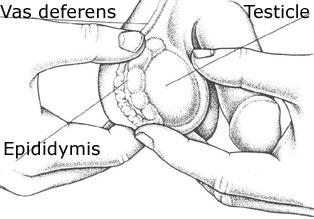
How To Check To See If You Have Testicular Cancer / Scrotal Masses Diagnosis And Treatment Mayo Clinic / Unlike prostate cancer, which grows slowly, testicular cancer can take off overnight. your doctor will look for any problems with a physical exam, blood tests, and an ultrasound of your scrotum.. When to see a doctor Like most other parts of. Take a warm shower or bath to allow the heat to relax the skin of your scrotum. However, it is possible to have testicular cancer without detectable mass and may require lab tests or imaging. You may be more likely to get testicular cancer if you:
To determine whether a lump is testicular cancer, your doctor may recommend: A blood test will be performed to test for certain proteins in your blood. Testicular cancer is usually associated with enlargement of testis or a mass in the tested. However, it is possible to have testicular cancer without detectable mass and may require lab tests or imaging. Blood tests, surgery, and other imaging tests like a ct scan or mri can also be used to diagnose testicular cancer or determine if your cancer has spread.
How To Check Balls To Cancer from ballstocancer.net If you're between the ages of 40 and 44, you can choose if you want to get mammograms every year. Testicular cancer is a relatively rare type of cancer that affects the testicles. In some cases, your doctor may feel that you need additional tests, particularly to see if cancer has spread. Unlike prostate cancer, which grows slowly, testicular cancer can take off overnight. your doctor will look for any problems with a physical exam, blood tests, and an ultrasound of your scrotum. But for testicular cancer, this could spread the cancer, so the biopsy is done during surgery to take out the cancer. These proteins are called tumor markers and can be used to diagnose testicular cancer. When cancer originates in one or both testes, a man can go a long time without any obvious signs or symptoms. Use the menu to see other pages.people with testicular cancer may experience a variety of symptoms or signs.
Have had testicular cancer before.
Finding a lump does not automatically mean you have testicular cancer. A biopsy is the only way to tell for sure if you have cancer. You will find out more about body changes and other things that can signal a problem that may need medical care. Unlike prostate cancer, which grows slowly, testicular cancer can take off overnight. your doctor will look for any problems with a physical exam, blood tests, and an ultrasound of your scrotum. 2 if there are any chances that cancer has spread, your urologist will likely order further imaging tests. Palese says), and is white, he's more likely to have. Blood vessels, tubes that carry sperm, and other normal parts of your anatomy can feel strange at first. Have a family history of testicular cancer. In other cases, your doctor may detect a lump during a routine physical exam. A more solid lump may signal that the swelling is cancerous. Testicular cancer is usually associated with enlargement of testis or a mass in the tested. Have had testicular cancer before. In a biopsy, the doctor takes out a small piece of tissue to check it for cancer cells.
However, there are some things that may increase your risk of developing testicular cancer. Your worry is unlikely to go away if you don't make an appointment. Testicular cancer is a relatively rare type of cancer that affects the testicles. If you do find a lump, don't panic. If you're between the ages of 40 and 44, you can choose if you want to get mammograms every year.
We Are Teaming Up With Oddballs For Testicular Cancer Awareness Month from darkroom.gloucesterrugby.co.uk Palese says), and is white, he's more likely to have. If you have any doubts, consult your doctor. However, it is possible to have testicular cancer without detectable mass and may require lab tests or imaging. If you do have testicular cancer, then early treatment will give you a better prognosis. You will find out more about body changes and other things that can signal a problem that may need medical care. For many other kinds of cancer, a biopsy is done before surgery. Sometimes, people with testicular cancer do not have any of these changes. Spreading testicular cancer most commonly impacts the lungs and lymph nodes.
Check with your doctor if you have any of the following learn to recognize these signs of testicular cancer and get if you have risk factors for testicular cancer, talk it over with your doctor.
Your worry is unlikely to go away if you don't make an appointment. But for testicular cancer, this could spread the cancer, so the biopsy is done during surgery to take out the cancer. A blood test will be performed to test for certain proteins in your blood. In other cases, your doctor may detect a lump during a routine physical exam. Spreading testicular cancer most commonly impacts the lungs and lymph nodes. To determine whether a lump is testicular cancer, your doctor may recommend: The sooner you get it checked out, the sooner you will find relief or an opportunity for treatment early on. You should check your balls at least once a month for lumps or swellings. Have had testicular cancer before. Finding a lump does not automatically mean you have testicular cancer. Don't let fear prevent you from getting checked out. If you do have testicular cancer, then early treatment will give you a better prognosis. If you are not comfortable seeing your usual doctor, then a sexual health clinic will also be able to advise you on any symptoms you experience.
Check with your doctor if you have any of the following learn to recognize these signs of testicular cancer and get if you have risk factors for testicular cancer, talk it over with your doctor. If you are not comfortable seeing your usual doctor, then a sexual health clinic will also be able to advise you on any symptoms you experience. Cancer of the balls is easier to treat if you find it early. Look and feel for any hard lumps or nodules (smooth rounded masses) or any change in the size, shape, or consistency of your testicles. Have had testicular cancer before.
Undescended Testicle Cryptorchidism Harvard Health from domf5oio6qrcr.cloudfront.net However, it is possible to have testicular cancer without detectable mass and may require lab tests or imaging. 2 if there are any chances that cancer has spread, your urologist will likely order further imaging tests. In other cases, your doctor may detect a lump during a routine physical exam. Have a family history of testicular cancer. Get screened for breast cancer. A biopsy is the only way to tell for sure if you have cancer. A scrotal ultrasound is usually the first step in diagnosing testicular cancer. In some cases, your doctor may feel that you need additional tests, particularly to see if cancer has spread.
Spreading testicular cancer most commonly impacts the lungs and lymph nodes.
Signs of a testicular tumor are: If you do have testicular cancer, then early treatment will give you a better prognosis. You should check your balls at least once a month for lumps or swellings. But for testicular cancer, this could spread the cancer, so the biopsy is done during surgery to take out the cancer. If you do find a lump, don't panic. Unlike prostate cancer, which grows slowly, testicular cancer can take off overnight. your doctor will look for any problems with a physical exam, blood tests, and an ultrasound of your scrotum. Look and feel for any hard lumps or nodules (smooth rounded masses) or any change in the size, shape, or consistency of your testicles. You should see your doctor if you notice a change that isn't normal for you or if you have any of the possible signs and symptoms of cancer. If you have any doubts, consult your doctor. Blood tests, surgery, and other imaging tests like a ct scan or mri can also be used to diagnose testicular cancer or determine if your cancer has spread. Finding a lump does not automatically mean you have testicular cancer. The symptom might not be due to cancer. In other cases, your doctor may detect a lump during a routine physical exam.